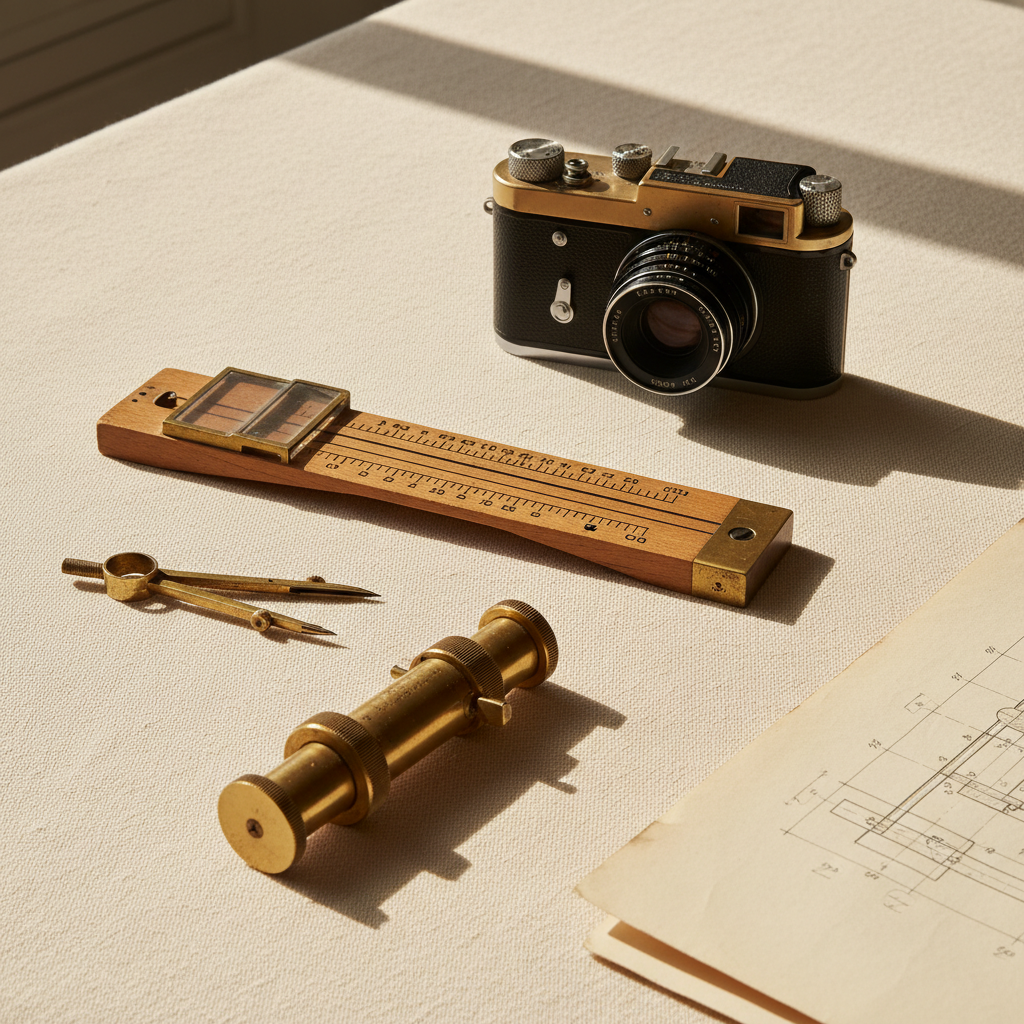

Zeit verlangt Präzision.
Time demands precision.
Lorenz Furtwängler & Söhne. Uhrenfabrik. 1836.
There was a time when a watch did not need to announce itself.
When the instrument on a man's wrist was chosen the way an architect chooses a pencil, or a surgeon chooses a blade — not for the impression it creates, but for what it makes possible.
Lorenz Furtwängler & Söhne was founded in 1836 in that spirit. Not as a luxury house. As a precision manufactory. Watches built for men who understood what they were looking at.
We are not that company. We carry that name — with full acknowledgement of its history, and without false claim of succession. What we build is new. What it stands for is not.
Three watches. No more.
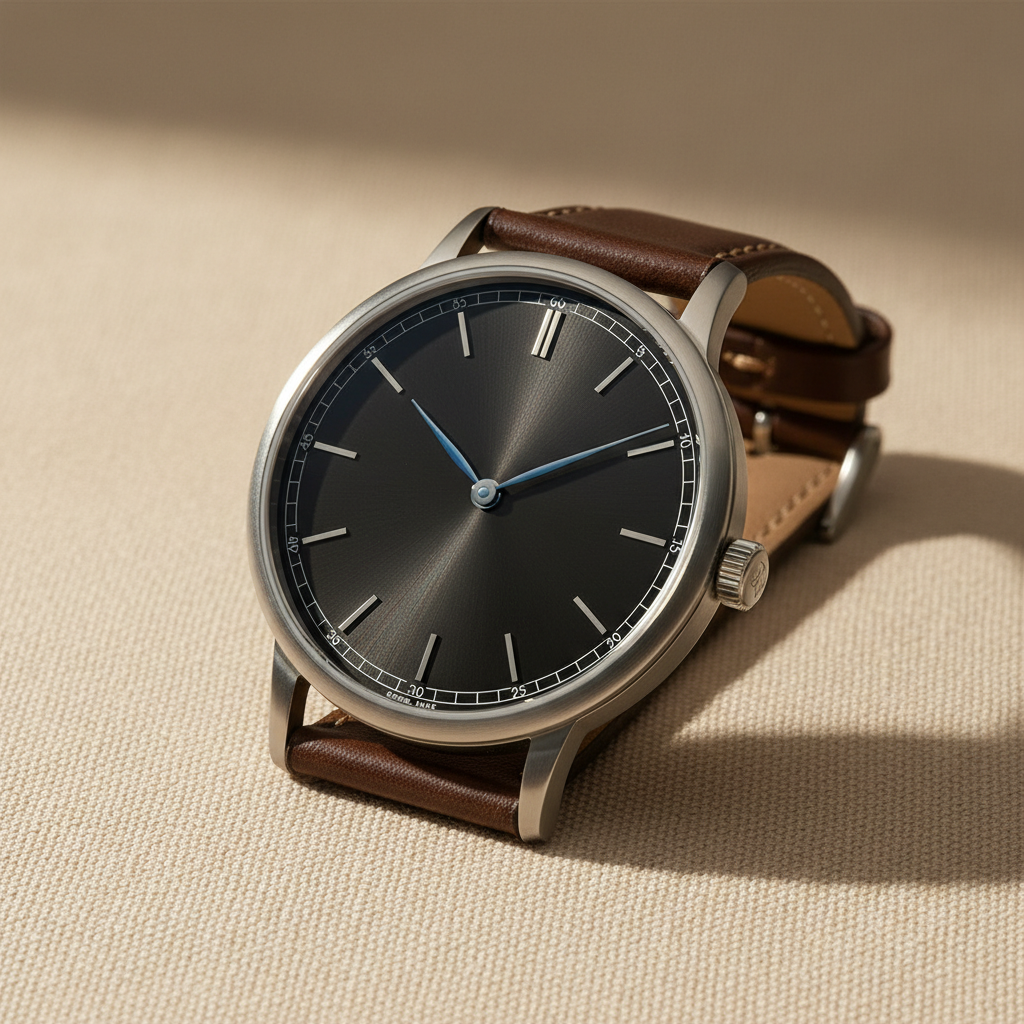
Der Observator
The foundation. Field-grade precision. Observatory dial discipline. Steel or titanium. 1,836 pieces. Named for the year this began.
from € 7,800Discover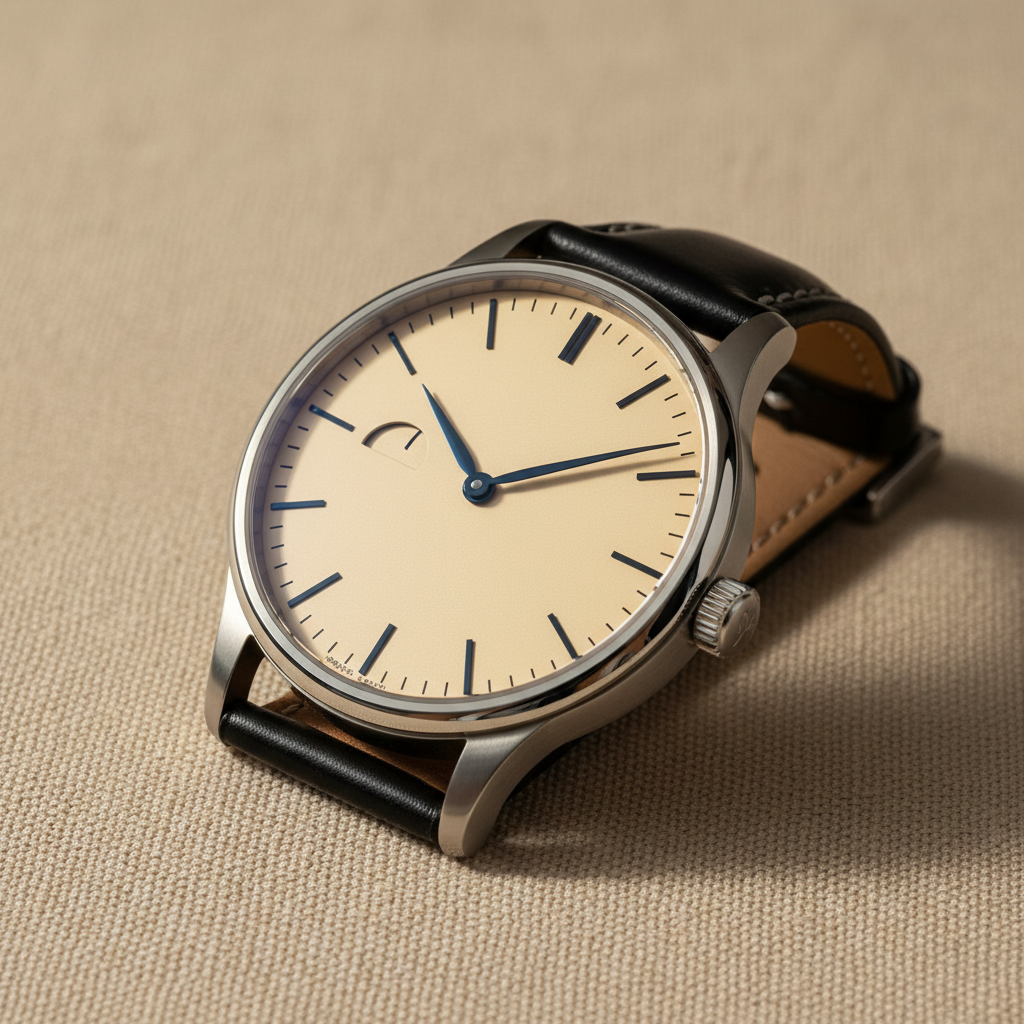
Der Meridian
The flagship. Lacquered ivory dial. Precision chronometer movement. 388 pieces. No more.
from € 12,800Discover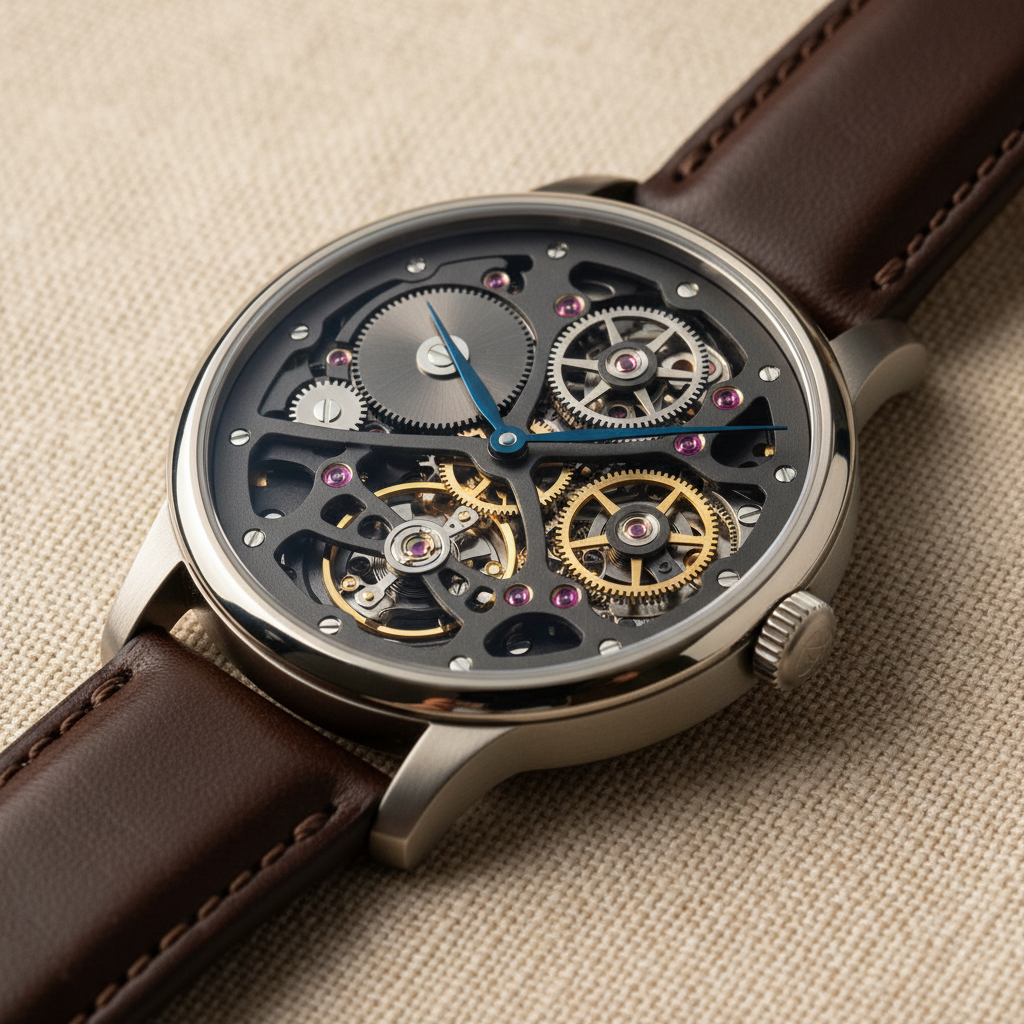
Der Kaliber
The rarity. Open movement. White gold case. 88 pieces. Private allocation only.
from € 19,800Discover

There is no logo on the dial.
The name appears once — printed in a typeface drawn from 19th-century German scientific instruments. Below the hands. Above the six. Small enough that you must look for it.
That is not modesty. That is the confidence of something that has never needed to be loud.
A Furtwängler does not ask to be noticed. It rewards those who notice it themselves.
Die letzte Unruh.
Ein Roman über Zeit, Macht und das Erbe der Furtwänglers. Von Dr. Raphael Nagel.

The collector who owns a Furtwängler is not buying status. He already has it.
He is buying an object that reflects how he thinks about quality: not as a price point, but as a standard.
Furtwängler is built for architects. Engineers. Lawyers. For the director of a family office who has owned three Pateks and wants something different. For the professor who understands what a lever escapement is. For the collector who has spent thirty years learning what he does not want.
If you are reading this page, you are probably already there.